

AI & Automation · 23/10/2026 · 5 min read
Integrating Robotics: Practical Software and AI for Business Automation
Modern robotics, driven by sophisticated software and practical AI, offers businesses tangible opportunities for automation and efficiency beyond traditional manufacturing.
The Evolving Landscape of Business Robotics
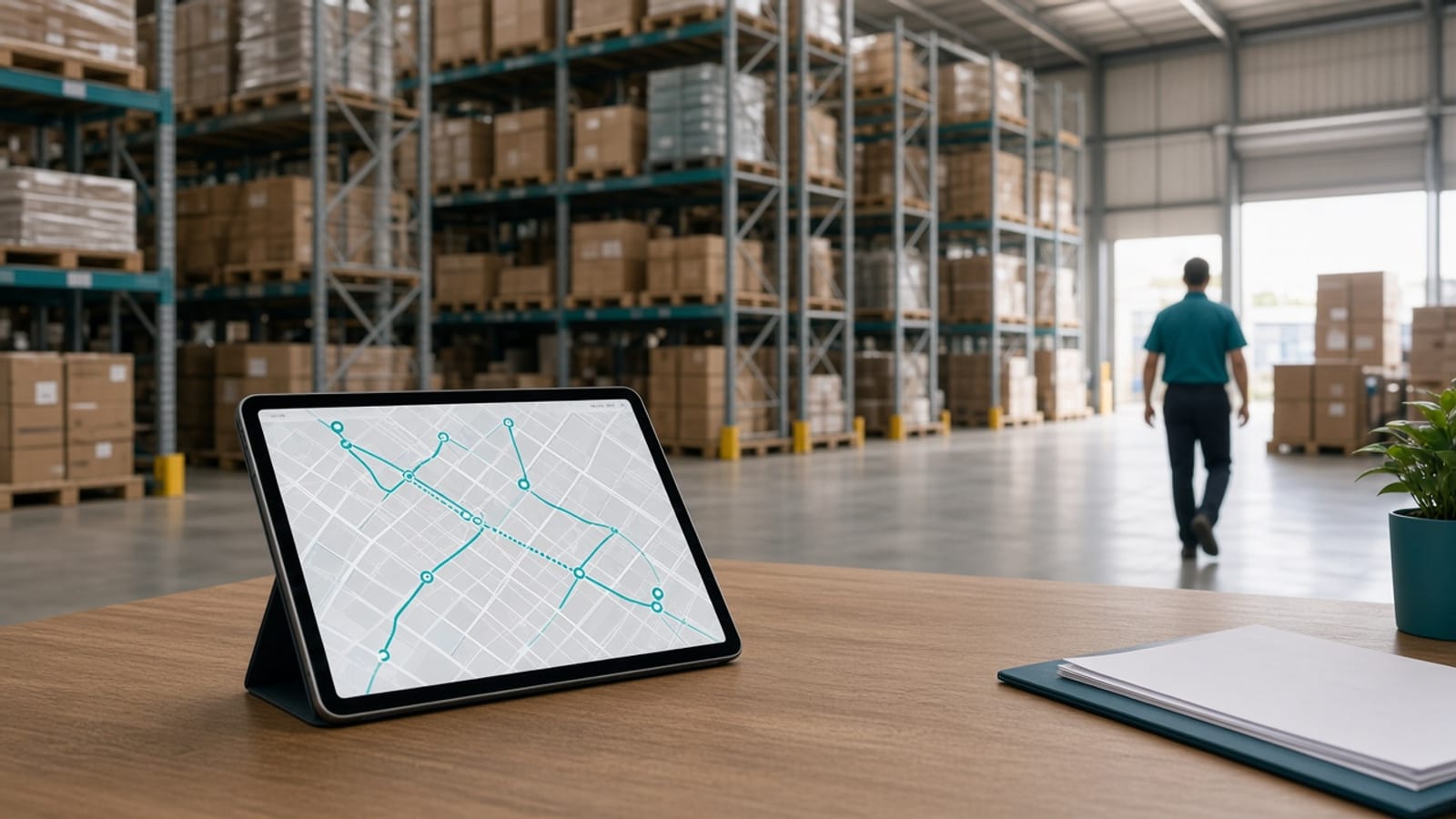
Robotics is no longer confined to large-scale industrial manufacturing. Advances in sensor technology, processing power, and, critically, software and artificial intelligence, are bringing robotic solutions into diverse business environments. From logistics and retail to healthcare and agriculture, businesses are exploring how intelligent machines can enhance operations, improve safety, and unlock new efficiencies. The practical application of robotics hinges less on mechanical marvel and more on the sophisticated software and AI that orchestrate its actions and enable intelligent interaction with its environment.
Beyond the Hardware: The Software Core of Robotics
A robot's physical form is merely its interface to the world; its true capabilities are defined by its software. This core includes several layers:
- Operating Systems: Specialized real-time operating systems (RTOS), like ROS, provide a framework for hardware abstraction, device drivers, communication, and low-level control. They manage fundamental functions, ensuring timely and coordinated actions.
- Control Systems: These algorithms translate high-level commands into precise motor movements, managing kinematics, dynamics, and trajectory planning. They are crucial for a robot's ability to perform tasks smoothly and accurately.
- Application Logic: This layer defines the robot's specific tasks and behaviors. Whether navigating a warehouse, assembling components, or inspecting infrastructure, application logic dictates what the robot does and how it responds to inputs.
- Perception and Cognition Modules: Often AI-driven, these enable the robot to understand its surroundings through sensors (cameras, LiDAR) and make decisions based on that understanding. Developing robust software for robotics requires expertise in embedded systems, real-time programming, and distributed computing, ensuring complex interactions occur seamlessly and safely.
Practical AI: Empowering Intelligent Robotic Actions
Artificial intelligence transforms a mechanical system into an intelligent agent. For businesses, practical AI in robotics translates into tangible benefits:
- Computer Vision: Enables robots to "see" and interpret their environment. Essential for tasks like object recognition (e.g., identifying products), quality inspection (e.g., detecting defects), navigation (e.g., avoiding obstacles), and human-robot interaction. Machine learning models train robots to differentiate relevant objects from noise.
- Machine Learning for Task Automation: Robots can learn from data and experience. For repetitive tasks with variability, ML algorithms optimize paths, improve grasp precision, or refine decision-making over time, reducing the need for constant human reprogramming. Predictive maintenance, where robots monitor their own health, is another application.
- Natural Language Processing (NLP): Less common in industrial robots, NLP allows for more intuitive human-robot interaction in service robotics. Voice commands, natural language instructions, and conversational interfaces make robots more accessible for non-specialist users.
- Reinforcement Learning: For complex tasks in dynamic environments, reinforcement learning allows robots to learn optimal strategies through trial and error, often in simulation, accelerating development and adaptability. The key is to apply AI where it provides a clear, measurable advantage, not just added complexity.
Seamless Integration: Connecting Robots to Your Digital Ecosystem
Deploying robotics in a business setting is rarely a standalone endeavor. For maximum value, robotic systems must integrate with existing digital infrastructure:
- Data Exchange: Robots generate vast data (sensor readings, performance metrics, task logs). This data needs to be collected, processed, and often fed into analytics platforms, business intelligence tools, or ERP systems to provide operational insights.
- APIs and Middleware: Standardized APIs are crucial for communication between robotic systems and other software applications. Middleware can bridge disparate systems, ensuring robots receive instructions and report status effectively.
- Cloud Connectivity: Cloud platforms offer scalable computing for complex AI model training, data storage, and remote management of robot fleets. This enables centralized control, software updates, and performance monitoring across dispersed assets.
- Human-Robot Collaboration: Integration also involves designing interfaces and workflows for humans and robots to work together safely and efficiently, including intuitive dashboards for monitoring and control. Effective integration transforms individual robotic units into an interconnected, intelligent component of a larger operational system.
Designing for Reliability, Safety, and Scalability
Implementing robotics requires a focus on core engineering principles for long-term success:
- Robust Software Architecture: A modular, well-tested software architecture is paramount. It allows for easier updates, troubleshooting, and adaptation to new tasks without rebuilding the entire system.
- Safety Protocols: In environments where robots interact with humans, rigorous safety protocols are non-negotiable. This involves hardware-level safety features and software logic ensuring predictable, safe behavior and immediate shutdown capabilities.
- Testing and Validation: Extensive simulation and real-world testing are essential to validate a robot's performance under various conditions, ensuring it meets functional requirements and operates reliably.
- Scalability Planning: As businesses grow, their robotic needs may expand. Designing systems with scalability in mind—from cloud infrastructure to modular software components—ensures new robots or tasks can be added efficiently. Farolab Systems focuses on designing and building such reliable systems, ensuring your robotic investments deliver consistent value.
Strategic Adoption for Tangible Business Value
For businesses considering robotics, a strategic approach is key:
- Identify Specific Pain Points: Focus on tasks that are repetitive, dangerous, require high precision, or are prone to human error.
- Start Small, Learn Fast: Begin with pilot projects to validate the technology and integrate it into existing workflows before scaling up.
- Measure ROI: Clearly define metrics for success, whether increased throughput, reduced costs, improved safety, or enhanced data collection.
- Partner for Expertise: Leverage external expertise in robotics software, AI integration, and systems engineering to navigate complexities and accelerate deployment. By focusing on practical applications and building on a solid foundation of software engineering and AI, businesses can effectively harness the power of robotics to drive innovation and operational excellence.